
Middle East Hotel Pipeline Hits Record 717 Projects as Saudi Arabia Leads the Build-Out
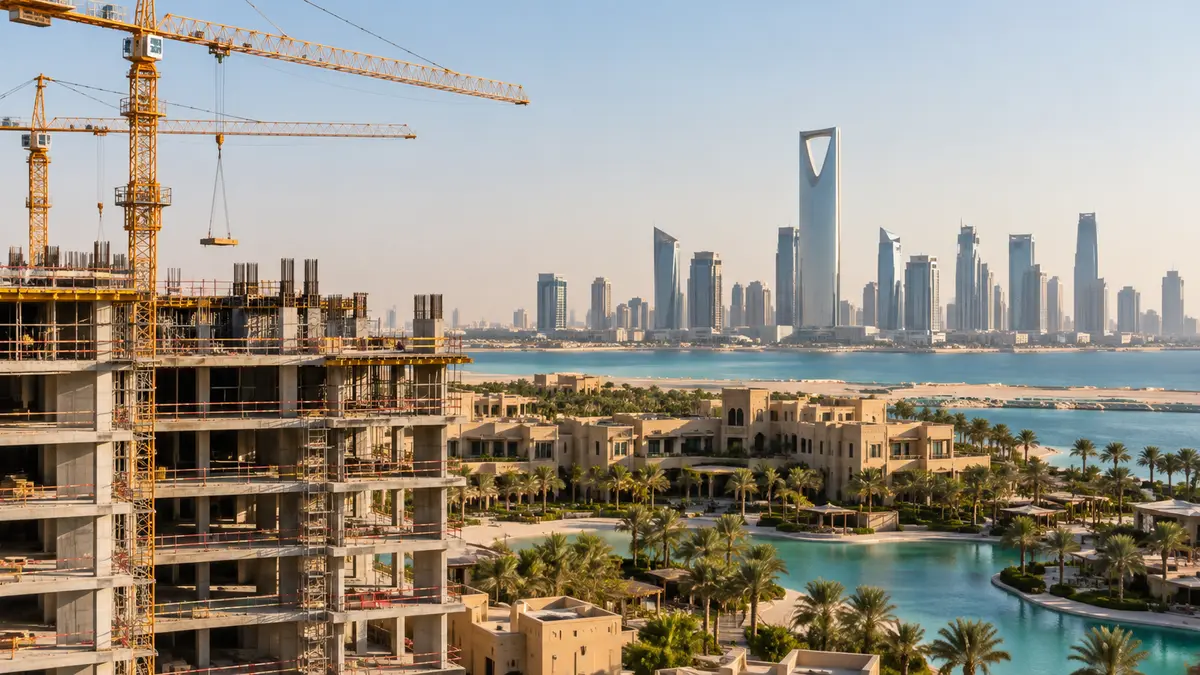
The Middle East ended the first quarter of 2026 with a record hotel development pipeline of 717 projects totaling 177,110 rooms, up 12 percent from a year earlier, as national development plans, mega-projects and major events push countries across the region to build tourism into a key growth driver, Lodging Econometrics data cited by Arab News show.
A record pipeline at every stage
The region had 335 hotels with 84,438 rooms under construction at the end of the first quarter. Another 180 projects totaling 52,788 rooms are scheduled to begin construction within the next 12 months, and projects in the early planning stage climbed to a record 202 hotels with 39,884 rooms, up 36 percent in projects and 48 percent in rooms year on year.
Segment mix and openings
- Luxury led at chain scale with a record 207 projects and 45,076 rooms, up 7 percent year on year; upscale reached 180 projects and 52,597 rooms, up 15 percent and 18 percent respectively.
- The region opened 11 new hotels with 2,516 rooms during the first quarter.
- Lodging Econometrics forecasts another 80 hotels with 15,479 rooms opening in the remainder of 2026, bringing the annual total to 91 hotels and 17,995 rooms.
- In a separate report, CoStar put total rooms under contract in the Middle East at 231,941.
Saudi Arabia leads, Egypt and the UAE follow
Saudi Arabia continued to dominate the regional construction landscape with 385 projects totaling 105,598 rooms, a 21 percent increase in projects and a 24 percent rise in rooms year on year. Riyadh led the Kingdom's pipeline with 105 projects and 20,927 rooms, followed by Jeddah with a record 63 projects and 14,764 rooms. Having already exceeded its original target of 100 million visitors, the Kingdom's National Tourism Strategy now aims for 150 million visitors annually by 2030, with tourism to grow from 3 percent of GDP toward a 10 percent target. Significant openings are expected in 2026 from giga-projects including Neom's Sindalah, Red Sea Global developments such as Shura Island, Diriyah and Amaala. In May, JLL said Saudi hospitality remained resilient in the first quarter, with occupancy at 66.3 percent and average daily rates up 3 percent to SR805.5 ($215.37).
Egypt ranked second in the regional pipeline with a record 157 projects and 33,446 rooms, up 26 percent in projects and 16 percent in rooms year on year. The United Arab Emirates followed with 105 projects encompassing 25,148 rooms, while Oman contributed 26 projects with 4,451 rooms and Bahrain added 12 projects totaling 1,900 rooms.
Supply ahead of demand — and the staffing bill

Nicholas Nahas, partner at Arthur D. Little, told Arab News the current room inventory remains insufficient for the region's ambitions and that large development projects and international operators are needed to add supply. JS Anand, founder and CEO of Leva Hotels, attributed the ramp-up to government-led tourism initiatives and diversification away from oil, alongside investor confidence, international brands, improved air connectivity and visa reforms. Dominic Arel of United Hospitality Management pointed to rising operational costs and record-high guest expectations as the pressure points of scaling a portfolio.
The pipeline's logic is explicit: supply is being built ahead of expected future demand. The execution risk sits in the ecosystem — Anand warns the industry will need a significantly larger pool of skilled hospitality professionals at all levels, and differentiation beyond location and brand as competition intensifies.
Just Published
European housing prices and rents
Schneider–PTC: the industrial data integration test behind the deal
Avio USA starts work on its Virginia manufacturing site

One equity market, two currency measures

Russia’s draft budget raises spending and borrowing plans

Russia Sets the 2027 Minimum Wage at 28,935 Rubles, Up 6.8%, on the Way to 35,000 by 2030
Partner news digest
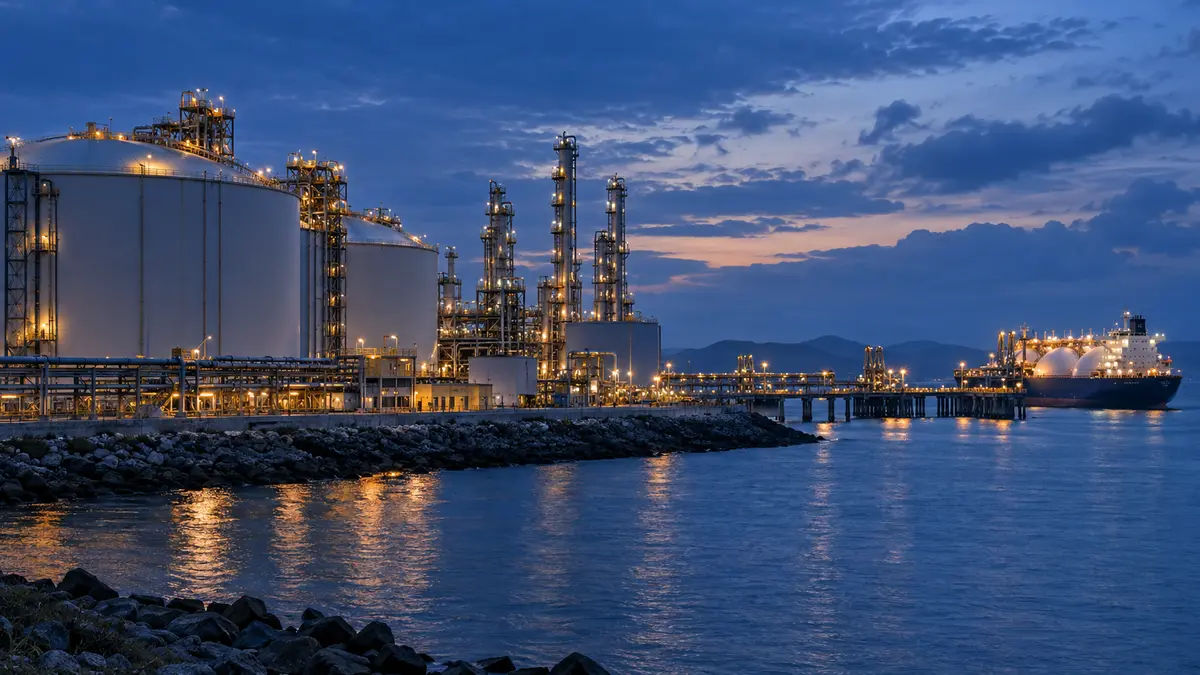 Qatar LNG expansion: readiness, financing and the production test
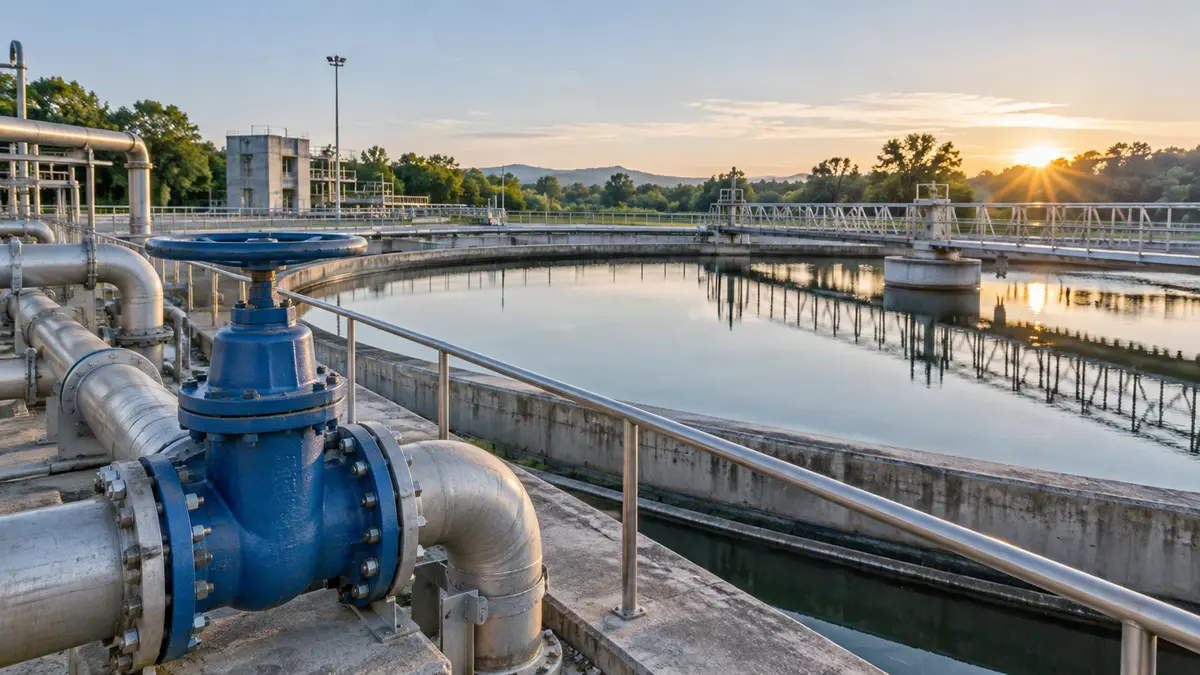 Pennon’s capital plan: turning finance into better water outcomes
 Italy’s diesel relief gap: taxes, price ceilings and implementation
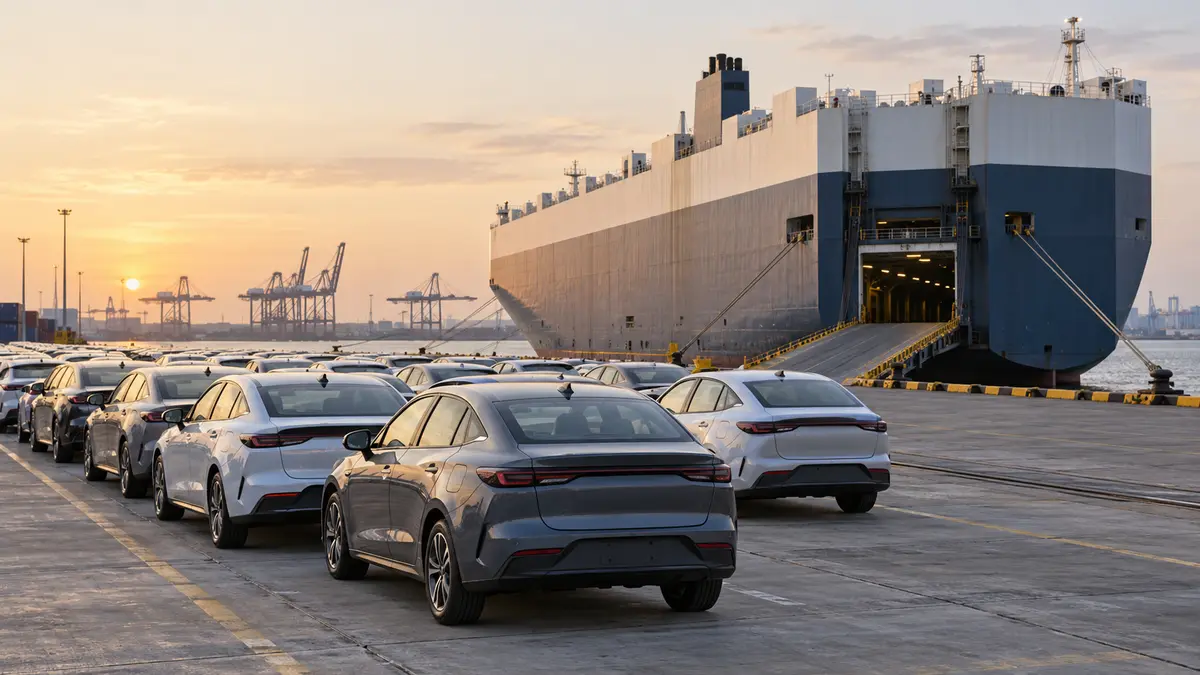 EU–China hybrid trade: from understanding to measurable implementation
 Schneider–PTC: the industrial data integration test behind the deal
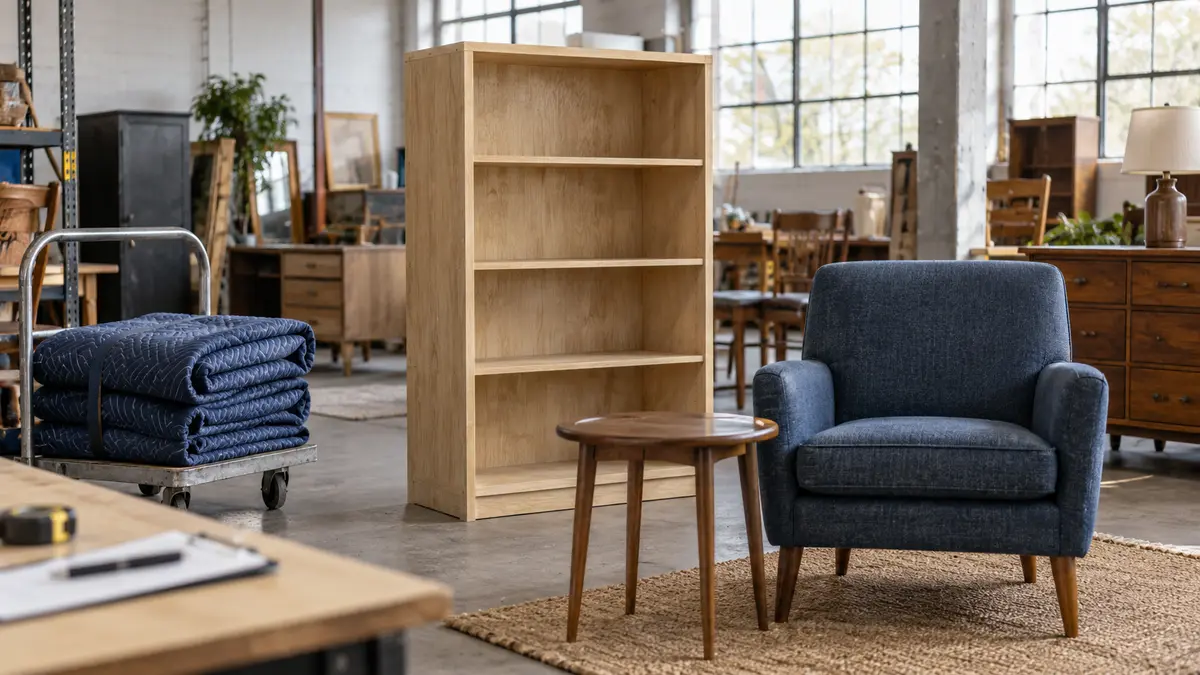 IKEA’s hybrid resale model: buyback, marketplace liquidity and furniture logistics
 Banking AI beyond the ranking: capability, execution and evidence of value
 Fishing labour beyond the product label: practical protection
 Rhenus and the Middle Corridor: terminals need coordinated connections
 Royal Mail restructuring: the test is reliable delivery
 Fuel Finder on Google Maps: when price transparency becomes useful competition
 Samsung’s memory profit surge: what the preliminary record explains
Leave a comment