
Russia Sets the 2027 Minimum Wage at 28,935 Rubles, Up 6.8%, on the Way to 35,000 by 2030
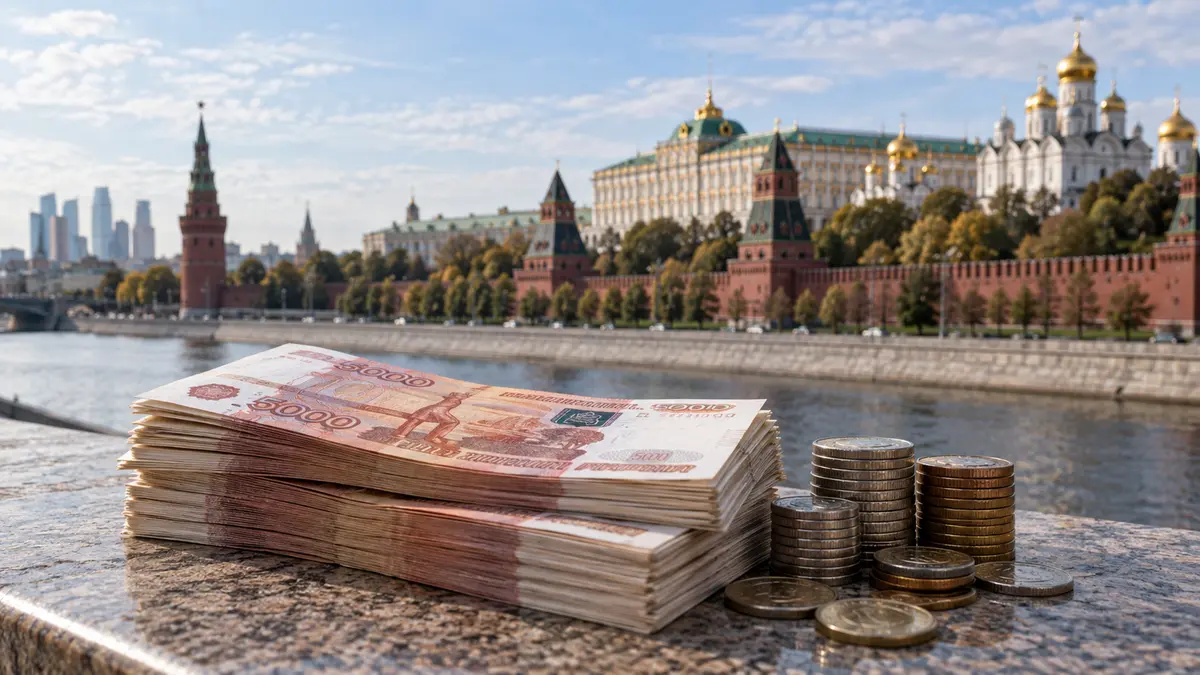
Russia's minimum wage (MROT) will rise to 28,935 rubles in 2027, an increase of 6.8% on the current level, Finance Minister Anton Siluanov (Антон Силуанов) said at a government meeting on September 24, 2026. The indexation matches the forecast growth of wages next year and keeps the official trajectory toward 35,000 rubles by 2030, Kommersant reported.
The 2027 parameters
"The minimum wage in 2027 will amount to 28,935 rubles, or an increase of 6.8% — this is the forecast growth of wages next year," the head of the Finance Ministry said, as quoted via the government website. Reaching 35,000 rubles by 2030, he added, will make it possible to "accelerate the growth of wages for workers with low incomes".
The federal minimum wage currently in force, since January 1, 2026, stands at 27,093 rubles. The 2027 figure implies an increase of 1,842 rubles against that level.
How the indicator is calculated
The federal MROT is calculated on the basis of the median wage across Russia. Depending on the region, the applicable minimum can be higher than the federal one: in Moscow the MROT is 39,730 rubles, in Saint Petersburg 31,250 rubles. Regional levels and coefficients mean the same federal decision translates into different floors across the country.
What employers must do

Raising the federal MROT moves the lower boundary of pay for the lowest-paid workers. Employers will need to check payroll accruals and bring them into line with the new minimum: paying below the established level is prohibited, and violations carry administrative liability.
Not only wages: the benefits link
The MROT serves as the base, a threshold or one of the criteria for calculating several social payments, so a change in the indicator affects not just salaries but the payments tied to it. The specific calculation depends on the type of benefit:
- Temporary disability (sick leave) benefits.
- Maternity benefits.
- Child-care allowances for children up to one and a half years.
- Unemployment benefits.
The trajectory to 2030
The 2027 indexation of 6.8% is pegged to the forecast growth of wages, which means the minimum follows expected pay dynamics rather than being set as an exceptional raise. The stated destination remains 35,000 rubles by 2030 — from 28,935 in 2027, that requires further annual increases of roughly 6–7% in nominal terms, or a larger catch-up step somewhere along the way. For low-income workers, the government frames the path as a way to accelerate their wage growth; for employers, each step raises the payroll floor and the benefits calculated from it.
Just Published
European housing prices and rents
Schneider–PTC: the industrial data integration test behind the deal
Avio USA starts work on its Virginia manufacturing site

One equity market, two currency measures
Russia’s draft budget raises spending and borrowing plans
Russia Sets the 2027 Minimum Wage at 28,935 Rubles, Up 6.8%, on the Way to 35,000 by 2030
Partner news digest
 Qatar LNG expansion: readiness, financing and the production test
 Pennon’s capital plan: turning finance into better water outcomes
 Italy’s diesel relief gap: taxes, price ceilings and implementation
 EU–China hybrid trade: from understanding to measurable implementation
 Schneider–PTC: the industrial data integration test behind the deal
 IKEA’s hybrid resale model: buyback, marketplace liquidity and furniture logistics
 Banking AI beyond the ranking: capability, execution and evidence of value
 Fishing labour beyond the product label: practical protection
 Rhenus and the Middle Corridor: terminals need coordinated connections
 Royal Mail restructuring: the test is reliable delivery
 Fuel Finder on Google Maps: when price transparency becomes useful competition
 Samsung’s memory profit surge: what the preliminary record explains
Leave a comment