
Putin Demands Affordable Fish for Russians as Retail Prices Climb 15%
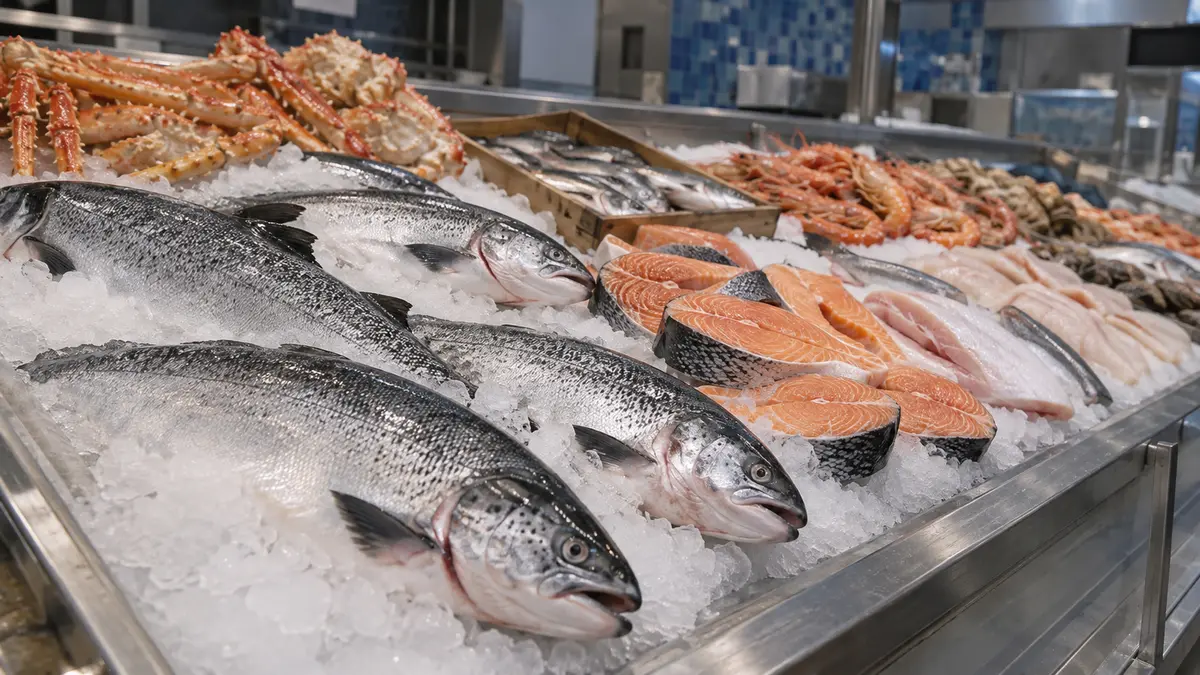
The catch of Russian fishermen must reach the shelves of Russian stores, President Vladimir Putin said on Oct. 29, 2025, at a meeting with members of the government, complaining that citizens eat not enough fish and seafood and setting the domestic market as the priority for the industry. The statement landed on a market where frozen unprocessed fish had already grown 15.39% in price by mid-October, according to Rosstat, and where traders expect red caviar to add at least 20% in November.
The meeting and the message
Putin emphasized that the interests of the domestic market must be in priority: the catch of Russian fishermen and the products of fishery enterprises should arrive on the shelves of stores and markets so that residents of all regions of Russia can buy these quality goods at an affordable price, as he put it. The president linked fish consumption to public health outcomes, noting that in countries where the level of fish and seafood consumption is high, life expectancy increases.
The arithmetic he cited frames the gap: we have approximately 24 kg per person now, it should be more, the head of state stressed. Per capita consumption of about 24 kg is the number the industry itself uses when describing the domestic market, and the presidential formulation converts it from a statistic into a policy target for the fishery complex.
Prices: fish up 15.39%, caviar in question
The price backdrop makes the affordability demand urgent. According to Rosstat, as of Oct. 15 frozen unprocessed fish had grown in price in the country by 15.39%. Market participants interviewed by Kommersant FM do not exclude that red caviar may become at least 20% more expensive in November. Over the year, fish products have grown in price by an average of 13%, which has led to a reduction in sales, the radio station noted in its market review.
The November caviar forecast
The caviar line matters beyond the delicacy segment: it is the most visible price signal of the red fish chain, and a 20% jump in the pre-New Year weeks would anchor consumer perception of fish as an expensive category exactly when the president asks the industry for affordability. The 13% average annual increase that already suppressed sales shows the demand response function: households cut volumes before they cut other protein.
The consumption gap

The 24 kg figure sits below the levels of the high-consumption countries Putin referenced, and the direction of travel in 2025 was away from them: a 13% average price rise that reduced sales means per capita intake is likely to fall again this year. The policy tension is therefore explicit: the industry earns more per tonne on export and premium lines while the domestic shelf becomes less accessible, and the presidential instruction asks for a redistribution of supply toward the home market without naming the instrument.
- Presidential instruction of Oct. 29, 2025: the catch must reach domestic shelves at affordable prices.
- Consumption: about 24 kg per person, with the president saying it should be more.
- Rosstat: frozen unprocessed fish up 15.39% as of Oct. 15, 2025.
- Market expectation: red caviar at least 20% more expensive in November.
- Annual dynamic: fish products up about 13% on average, with sales falling as a result.
What the meeting did not contain is as telling as what it did: no quota, duty or price-restraint mechanism was announced, leaving the affordability target as a directive to the industry and the government to find the lever. For the consumer market, the coming weeks of the New Year season will show whether the instruction slows the caviar and fish price curve or merely annotates it.
Just Published
Nilu and Sangardak: Village Tourism in Surkhandarya

European housing prices and rents

Schneider–PTC: the industrial data integration test behind the deal

Avio USA starts work on its Virginia manufacturing site

One equity market, two currency measures

Russia’s draft budget raises spending and borrowing plans
Partner news digest
 Imam al-Bukhari’s Heritage and Samarkand’s Pilgrimage Landscape
 Ancient Fortresses and Museums of Western Uzbekistan
 One Day in Kasri Orifon: Bukhara’s Pilgrimage Village
 Uzbekistan’s Western Rail Corridor and the Journey to Khiva
 Rishtan’s Craft Neighbourhood and the Fergana Valley
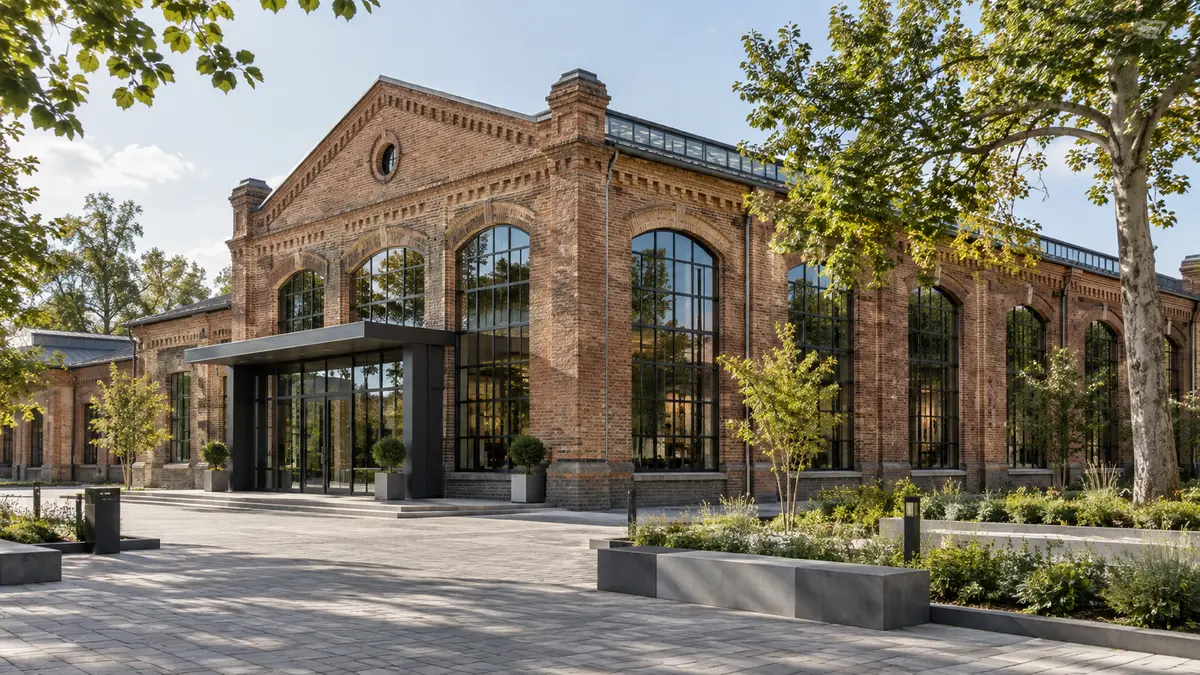 Tashkent’s Museums, Mahallas and New Cultural Spaces
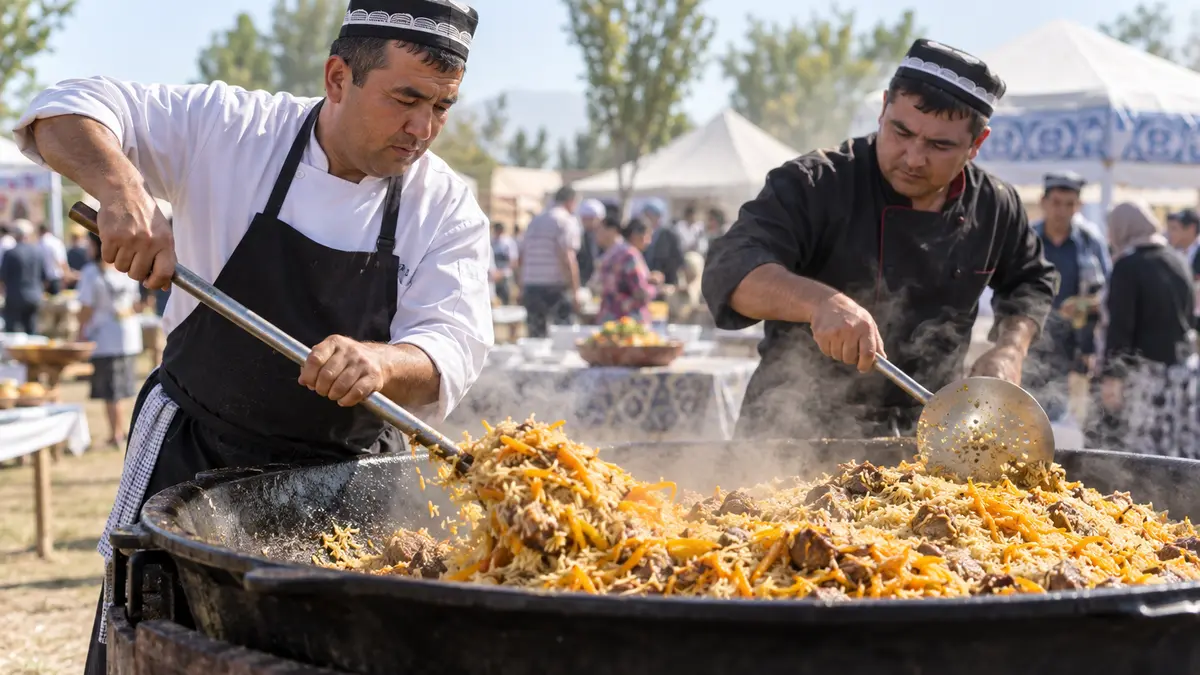 Uzbek Food and Cultural Traditions: From London’s Festival to Regional Tables
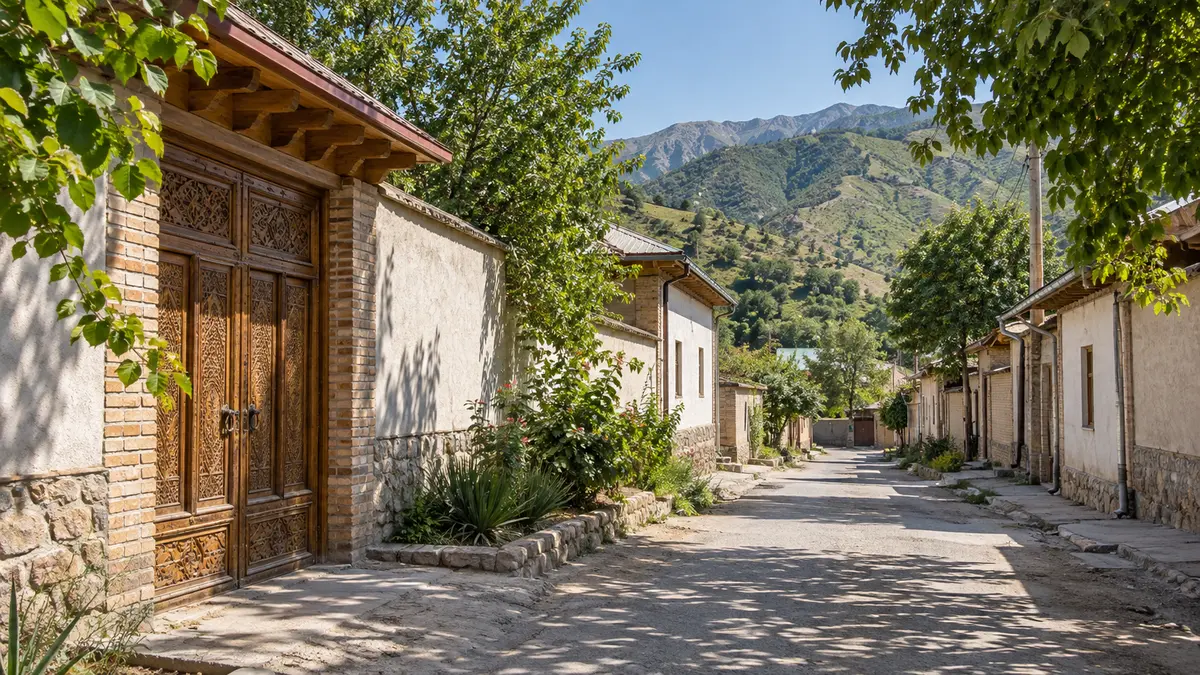 Parkent’s Chashma Village: Folk Traditions Near Tashkent
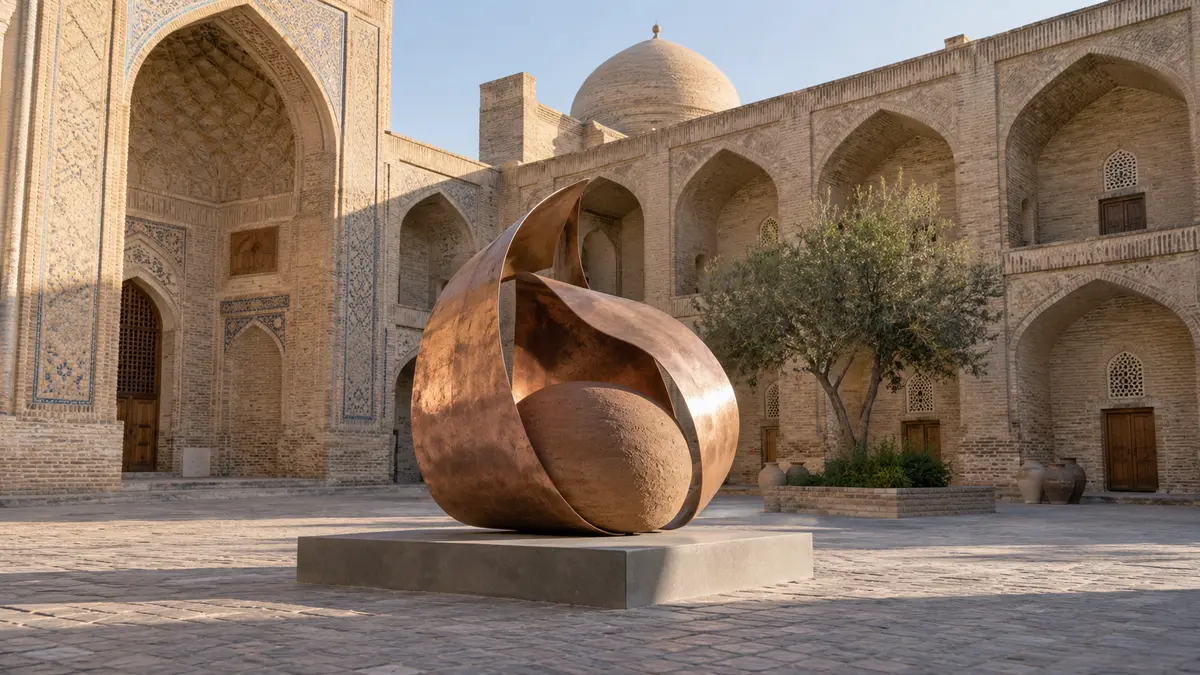 Bukhara’s Biennale: Contemporary Art in Historic Spaces
 Nilu and Sangardak: Village Tourism in Surkhandarya
 Khiva’s Walled City: Architecture, Palaces and Living Traditions
 Uzbekistan's Tourism Expansion: Heritage Cities, Living Crafts and Regional Routes
Leave a comment