
A 50% Tariff Split the Copper Market in Two: Record US Prices, a $2,600 Premium and a Bill for the Economy

Copper for American buyers has rocketed after President Donald Trump said he would impose a 50% tariff on imports of the metal. US prices closed more than 13% higher — the sharpest single-day gain since 1989 and a record $5.69 per pound — while the London Metal Exchange benchmark rose just 0.3%, splitting the global copper market into two price zones.
A premium the market has never priced before
Since Trump announced a probe into copper imports in February, traders have front-run the policy: inventories shifted away from Europe and Asia and into the United States, and the Comex premium over the LME has fluctuated between $500 and $1,500 a tonne. Historically that gap has been near zero and was around $150 in 2024; prices on the Shanghai Metals Market have tracked the LME. On Tuesday the premium soared by 138%, moving above $2,600 a tonne, according to London-based Benchmark Mineral Intelligence.
If the 50% rate comes into effect at the start of August, Benchmark expects US consumers to pay around $15,000 per metric tonne for copper while the rest of the world pays about $10,000. The United States imports just under half of its copper, used in everything from machinery, electronics and household goods to housing and infrastructure projects.
Timing and scope still in play
Market participants say the rate and timing remain unclear, given ambiguous official messaging, potential room for negotiated exemptions and recent examples of swift White House policy changes. Commerce Secretary Howard Lutnick told CNBC the duties would likely be implemented at "the end of July, maybe August 1." Trump's stated ambition is to increase domestic production, but experts say ramping it up will take years and fully meeting demand decades, at a massive up-front investment cost, with permitting delays for mining projects and the huge cost of new facilities as standing obstacles.
Who pays the bill

Daan de Jonge, Benchmark's lead analyst for copper demand and prices, expects the gap to feed through the economy: new fridges, air conditioners and cars will get more expensive and companies can reasonably be expected to pass costs on, while consumers may switch to goods produced more cheaply abroad. For public investment, he points to more expensive US debt, a declining dollar and a major raw-material cost increase for infrastructure — effects he expects to show up in employment. Some projects may swap copper for cheaper aluminium, which is heavier and more expensive to maintain in the long run; "all of this definitely enters the risk range of demand destruction," he said.
Can domestic supply answer?
Peter Chase, senior fellow at the German Marshall Fund, frames the core question as whether America can substitute imported products with domestically made ones, and how quickly. Major sources of US copper include Chile, Canada, Peru and Mexico, and "the price of copper with a 50% tariff is not going to mean copper production in the US goes through the roof tomorrow," he said. Consumers and businesses will feel an immediate impact, and the build-out of AI infrastructure is likely to be hit too.
What the market watches next
- Citi called Tuesday a "watershed moment for the copper market in 2025": imminent tariff implementation should abruptly close the window for further significant US-bound shipments, possibly for the rest of 2025, and cause a pullback in ex-US pricing.
- Citi does not expect the Comex-LME premium to reflect a full 50% tariff, given the recent US inventory build-up and the likelihood that key US copper exporters eventually negotiate a lower rate.
- Whether exemptions are carved out and how fast Washington's messaging changes again.
For now the record US close and the near-flat LME say the same thing in two currencies of metal: the tariff has made American copper a separate market, and the size of the premium is the market's running estimate of how much of the policy will survive contact with implementation.
Just Published

European housing prices and rents

Schneider–PTC: the industrial data integration test behind the deal
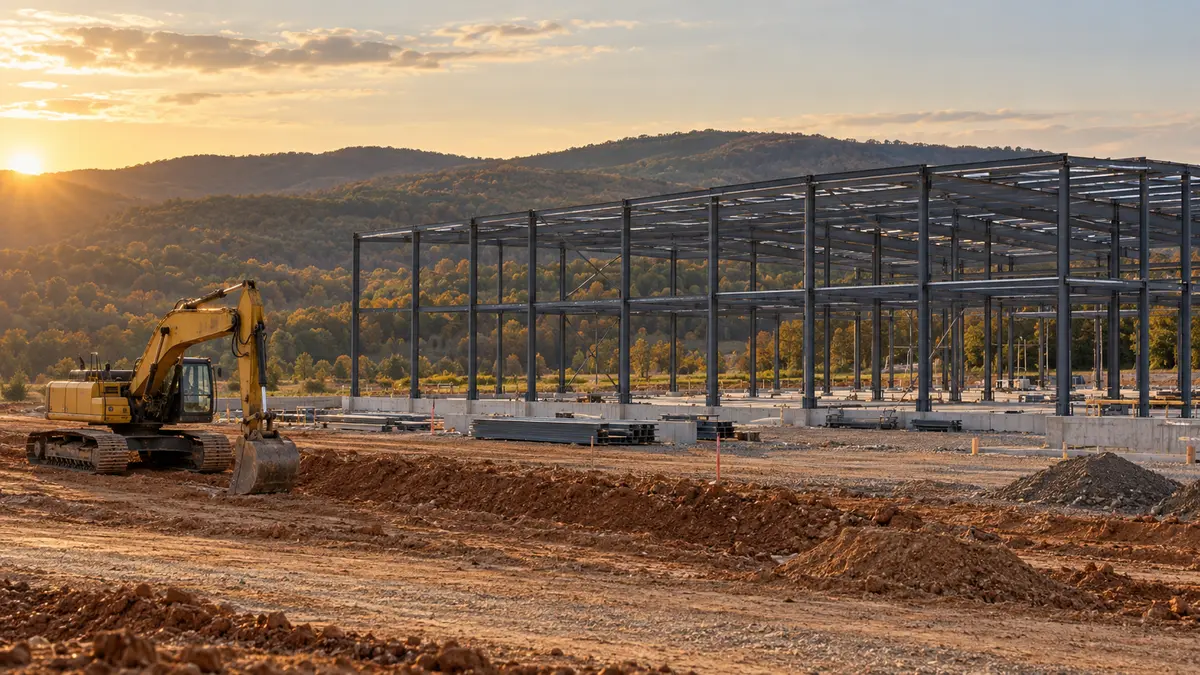
Avio USA starts work on its Virginia manufacturing site

One equity market, two currency measures

Russia’s draft budget raises spending and borrowing plans

Russia Sets the 2027 Minimum Wage at 28,935 Rubles, Up 6.8%, on the Way to 35,000 by 2030
Partner news digest
 Qatar LNG expansion: readiness, financing and the production test
 Pennon’s capital plan: turning finance into better water outcomes
 Italy’s diesel relief gap: taxes, price ceilings and implementation
 EU–China hybrid trade: from understanding to measurable implementation
 Schneider–PTC: the industrial data integration test behind the deal
 IKEA’s hybrid resale model: buyback, marketplace liquidity and furniture logistics
 Banking AI beyond the ranking: capability, execution and evidence of value
 Fishing labour beyond the product label: practical protection
 Rhenus and the Middle Corridor: terminals need coordinated connections
 Royal Mail restructuring: the test is reliable delivery
 Fuel Finder on Google Maps: when price transparency becomes useful competition
 Samsung’s memory profit surge: what the preliminary record explains
Leave a comment