
Samsung Opens Second-Half Entry-Level Hiring Across 19 Affiliates
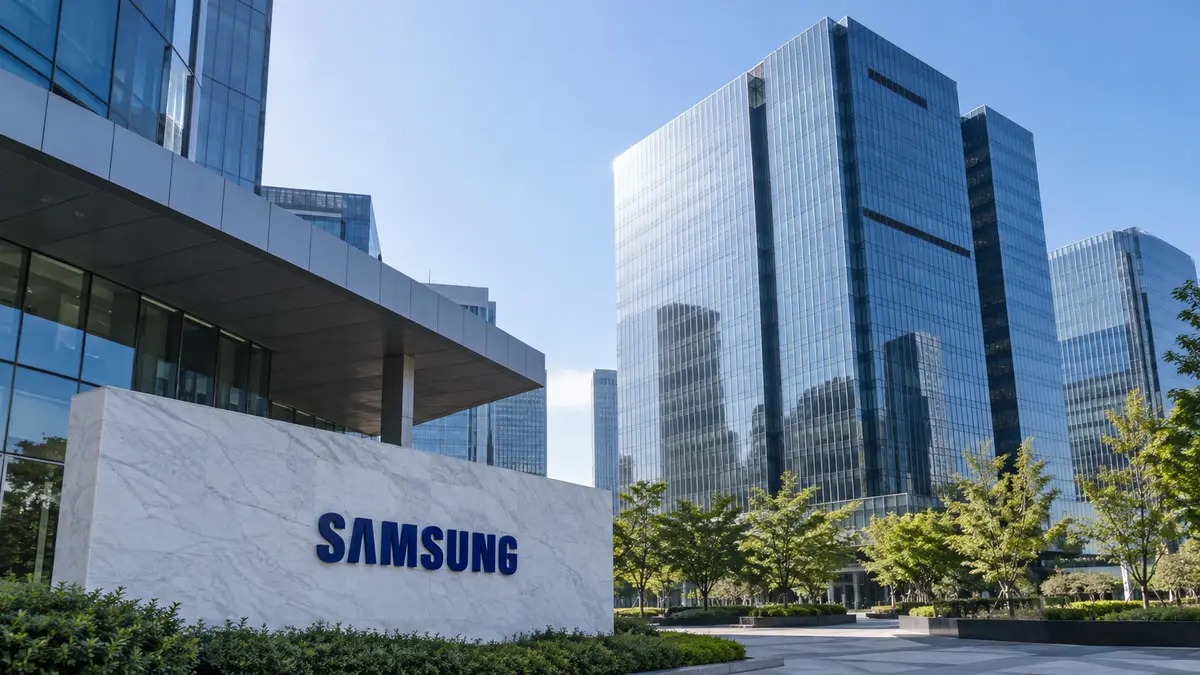
Summary: Samsung begins its second-half recruitment on Tuesday, September 8, with 19 affiliates hiring entry-level employees through the conglomerate's group-wide recruitment program, the company said on Monday. Applications will be accepted through September 15 via Samsung Careers, followed by a job suitability assessment in September, the Global Samsung Aptitude Test in October and interviews in November.
The recruitment calendar
The group-wide program covers entry-level positions at 19 affiliates and follows the regular open-recruitment format that Samsung has kept since 1957. The stages announced by the company:
- September 8 — recruitment opens across the 19 participating affiliates.
- Through September 15 — applications are accepted via Samsung Careers, the group's recruitment website.
- September — job suitability assessment for candidates.
- October — the Global Samsung Aptitude Test (GSAT); software applicants take a practical skills test instead.
- November — interviews; design applicants are screened through portfolio reviews.
Who is hiring
The participating companies include Samsung Electronics, Samsung C&T, Samsung Biologics, Samsung Bioepis, Samsung Display, Samsung SDI, Samsung SDS, Samsung Heavy Industries, Hotel Shilla and Cheil Worldwide, among others. The spread spans electronics, construction and trading, biopharmaceuticals, displays, batteries, IT services, shipbuilding and hospitality — a single application window into very different industries.
The last regular open recruitment among the big four
Samsung has maintained regular open recruitment since 1957, when it introduced South Korea's first such hiring system. Hyundai Motor Group, LG and SK have since shifted to rolling, position-specific hiring, leaving Samsung as the only one of South Korea's four largest conglomerates with a regular group-wide recruitment system.
Hiring tied to investment priorities
The recruitment comes as Samsung expands domestic investment in key growth areas, including semiconductors, biotechnology, batteries and displays, while seeking to create more job opportunities for young people. "We will continue to invest in relevant areas to create quality jobs at home and foster high-value-added industries," Samsung Electronics Chairman Lee Jae-yong said at a meeting with President Lee Jae Myung and business leaders in August 2025.
What the drive means for the labour market
For entry-level candidates in South Korea, the group-wide program remains one of the most structured mass routes into large-company employment: one calendar, one application platform and a common aptitude test, with role-specific substitutions — a practical coding test for software applicants and portfolio review for designers — layered on top. For the conglomerate, the twice-yearly open recruitment synchronizes the entry-level pipeline across 19 affiliates at a time when its rivals recruit continuously by position. The announced link between hiring and domestic investment in semiconductors, biotech, batteries and displays signals that the second-half intake feeds the group's stated growth priorities rather than general headcount replacement.
Company information
Samsung is a South Korean conglomerate whose affiliates include Samsung Electronics, Samsung C&T, Samsung Biologics, Samsung Display, Samsung SDI, Samsung SDS and Samsung Heavy Industries. Corporate website: https://www.samsung.com.
Contact
Samsung, Republic of Korea. Recruitment applications are handled through the Samsung Careers website; media enquiries through the corporate website https://www.samsung.com.
Just Published

European housing prices and rents
Schneider–PTC: the industrial data integration test behind the deal

Avio USA starts work on its Virginia manufacturing site

One equity market, two currency measures

Russia’s draft budget raises spending and borrowing plans

Russia Sets the 2027 Minimum Wage at 28,935 Rubles, Up 6.8%, on the Way to 35,000 by 2030
Partner news digest
 Qatar LNG expansion: readiness, financing and the production test
 Pennon’s capital plan: turning finance into better water outcomes
 Italy’s diesel relief gap: taxes, price ceilings and implementation
 EU–China hybrid trade: from understanding to measurable implementation
 Schneider–PTC: the industrial data integration test behind the deal
 IKEA’s hybrid resale model: buyback, marketplace liquidity and furniture logistics
 Banking AI beyond the ranking: capability, execution and evidence of value
 Fishing labour beyond the product label: practical protection
 Rhenus and the Middle Corridor: terminals need coordinated connections
 Royal Mail restructuring: the test is reliable delivery
 Fuel Finder on Google Maps: when price transparency becomes useful competition
 Samsung’s memory profit surge: what the preliminary record explains
Leave a comment