
Lotte Chemical Pivots to Four Growth Pillars as Korea's Petrochemical Restructuring Advances
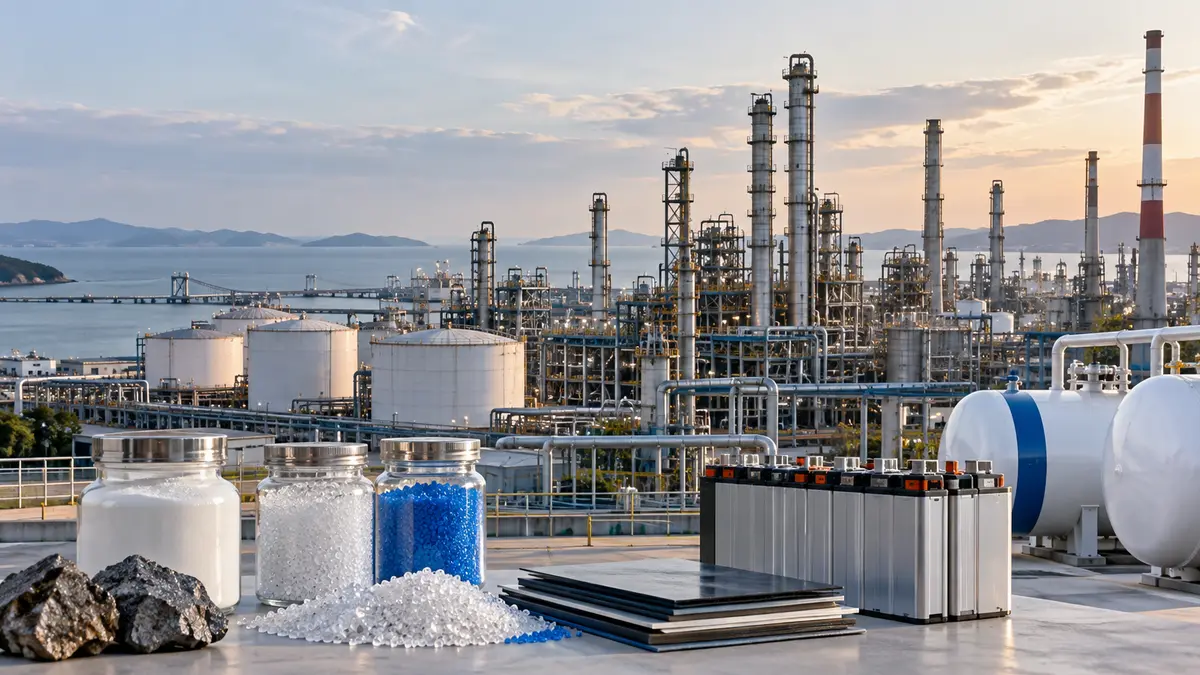
Lotte Chemical Corp., the chemical arm of South Korea's Lotte Group, said on Friday, April 17, 2026, that it will prioritize new growth engines while restructuring its core petrochemical operations amid a prolonged industry downturn — a company-level window into the country's government-backed consolidation of naphtha cracking capacity.
Four pillars against the slump
During a CEO Investor Meeting on Thursday, Chief Executive Officer Lee Young-jun (Lee Young-jun) outlined the company's ongoing restructuring at its regional petrochemical complexes and presented a strategy built around four key growth pillars. "We aim to build a balanced business portfolio by nurturing advanced materials, fine chemicals, battery materials and hydrogen energy as new growth engines, while restoring competitiveness through the preemptive restructuring of our petrochemical business," Lee said.
Daesan approved, Yeosu pending
The restructuring has a concrete geography. In February, the government approved a plan involving Lotte Chemical and HD Hyundai Chemical Co. (HD Hyundai Chemical) at the Daesan industrial complex, about 85 kilometres southwest of Seoul, calling for a voluntary reduction of their combined naphtha cracking centre (NCC) capacity by 1.1 million tons. Lotte Chemical is also awaiting government approval for its plan to spin off its NCC operations at the Yeosu industrial complex, roughly 320 km south of Seoul, and merge them with nearby Yeochun NCC Co. (Yeochun NCC).
The two complexes represent the two speeds of Korean petrochemical consolidation: one plan already cleared by the state, one still in the approval queue. Together they define how much cracking capacity the group intends to surrender in exchange for balance-sheet relief.
The financial backdrop
The pivot is written against deepening losses. In 2025, Lotte Chemical's net loss widened to 2.49 trillion won (US$1.7 billion) from a net loss of 1.82 trillion won the previous year. The company has been restructuring its loss-making petrochemical division since early 2025, focusing on improving facility utilization and strengthening its balance sheet through the divestment of non-core assets.
What the restructuring covers
- Daesan: a government-approved voluntary reduction of 1.1 million tons of combined NCC capacity with HD Hyundai Chemical.
- Yeosu: a pending approval for spinning off NCC operations and merging them with Yeochun NCC.
- Portfolio: four declared growth pillars — advanced materials, fine chemicals, battery materials and hydrogen energy.
- Footprint: three overseas petrochemical plants — in the United States, Indonesia and Malaysia — alongside three domestic facilities.
- Losses: a 2025 net loss of 2.49 trillion won, widened from 1.82 trillion won in 2024.
What to watch
The decisive near-term marker is the government's decision on Yeosu: approval would complete Lotte Chemical's domestic consolidation map and quantify how much of the group's cracking base survives the downturn. The second marker is the conversion of the four pillars from strategy language into capital allocation — advanced materials, fine chemicals, battery materials and hydrogen compete for the same balance sheet that divestments and capacity reductions are meant to repair. And the third is the overseas footprint: with plants in the United States, Indonesia and Malaysia, the group's exposure is no longer purely Korean, and the economics of that tri-continental base will decide whether consolidation at home buys time or merely shrinks the problem.
Just Published

European housing prices and rents
Schneider–PTC: the industrial data integration test behind the deal
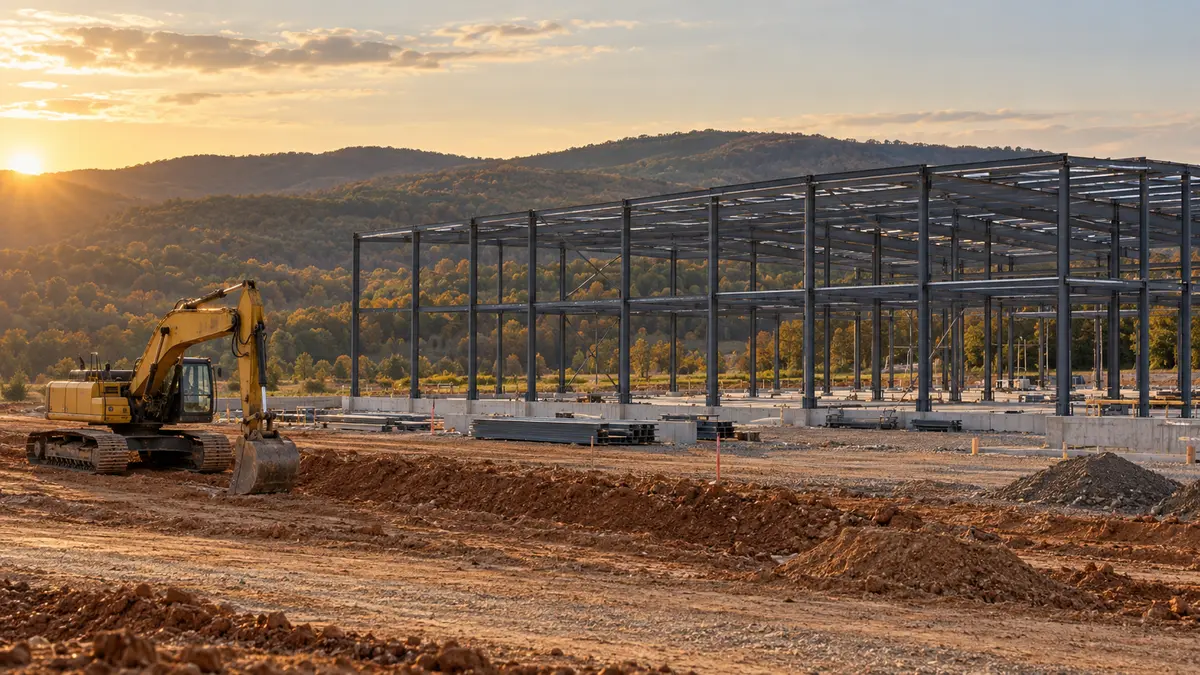
Avio USA starts work on its Virginia manufacturing site

One equity market, two currency measures

Russia’s draft budget raises spending and borrowing plans

Russia Sets the 2027 Minimum Wage at 28,935 Rubles, Up 6.8%, on the Way to 35,000 by 2030
Partner news digest
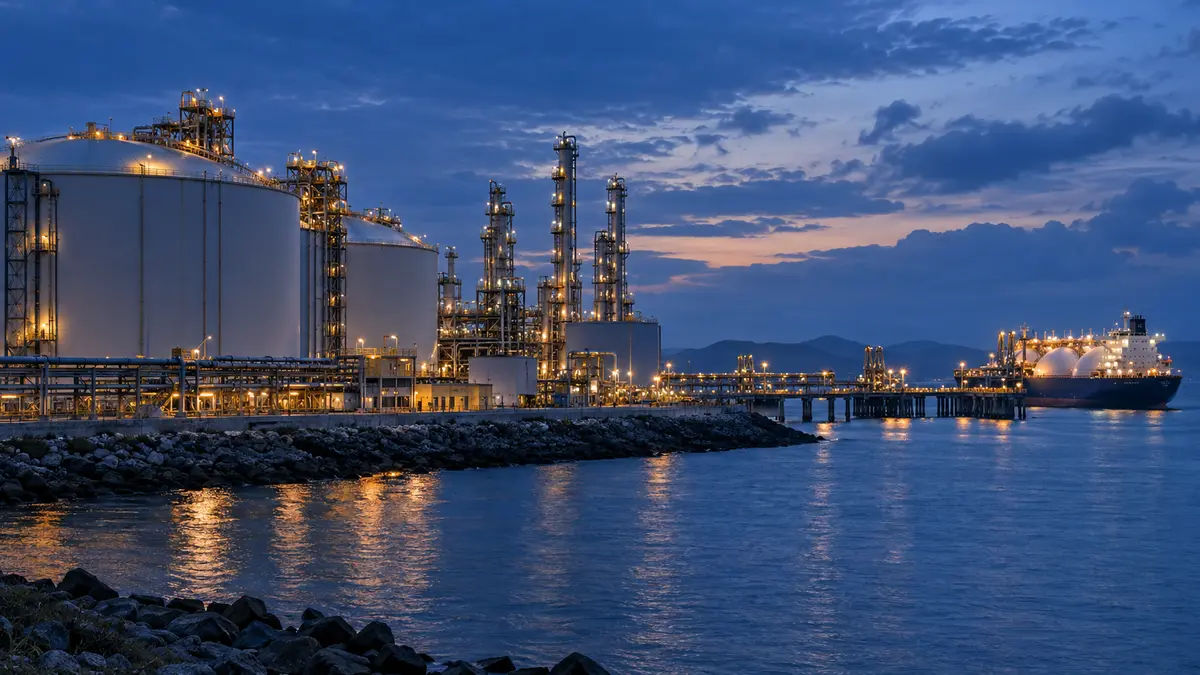 Qatar LNG expansion: readiness, financing and the production test
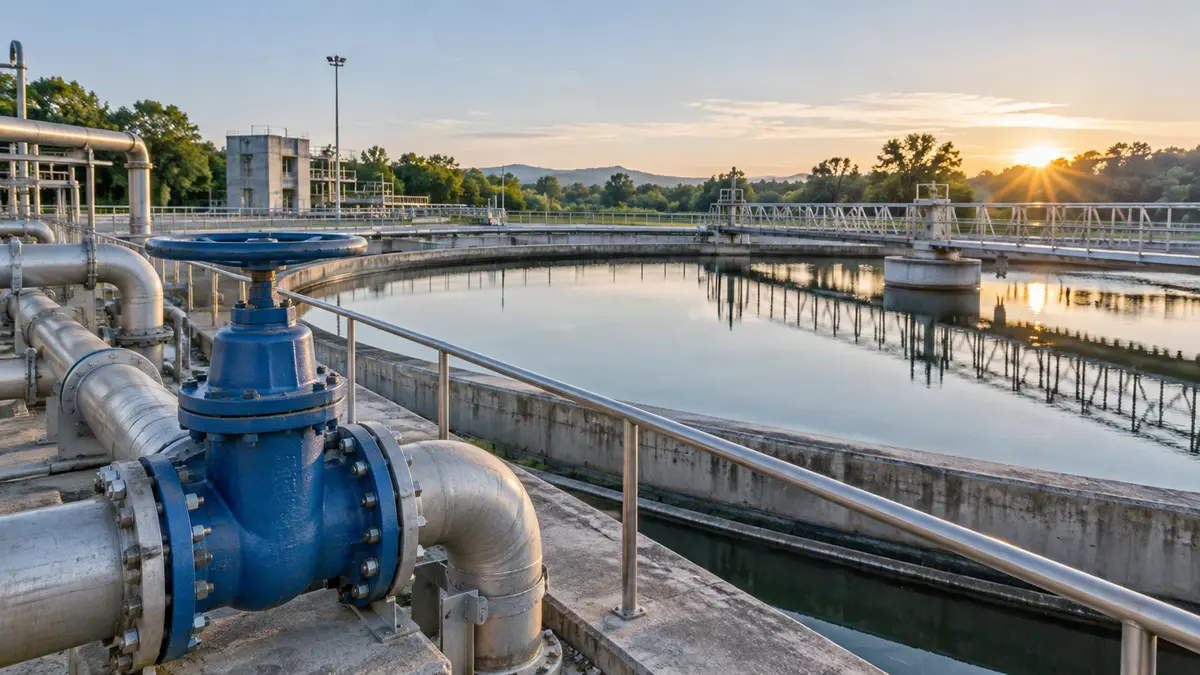 Pennon’s capital plan: turning finance into better water outcomes
 Italy’s diesel relief gap: taxes, price ceilings and implementation
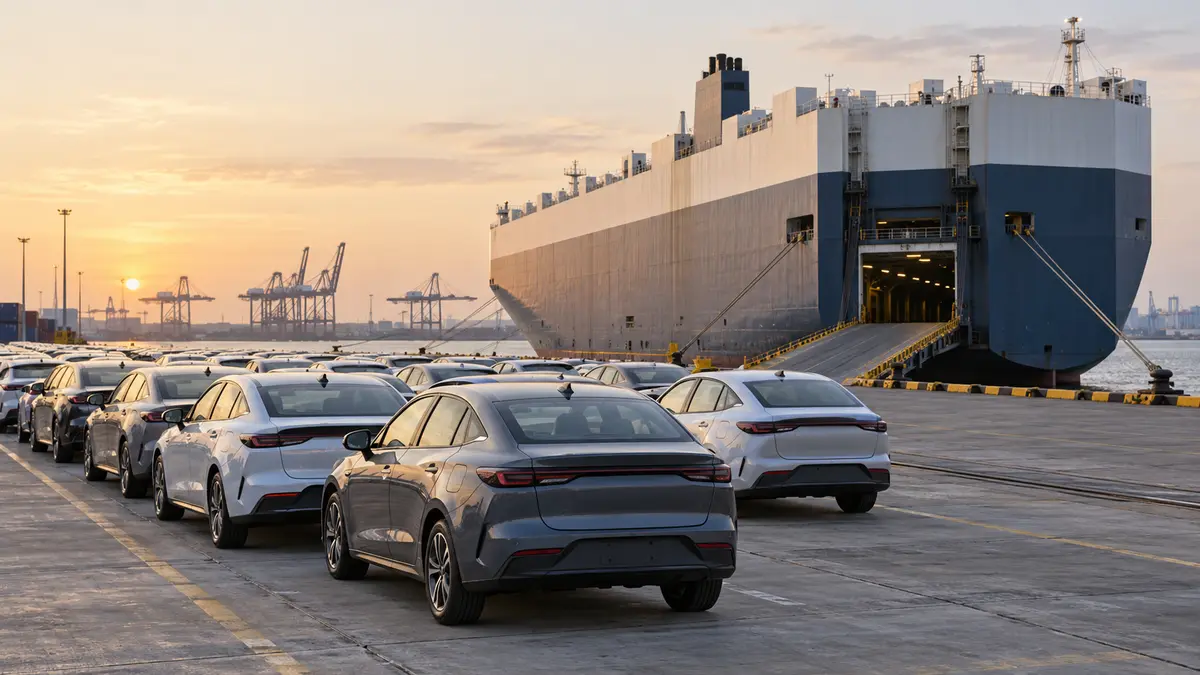 EU–China hybrid trade: from understanding to measurable implementation
 Schneider–PTC: the industrial data integration test behind the deal
 IKEA’s hybrid resale model: buyback, marketplace liquidity and furniture logistics
 Banking AI beyond the ranking: capability, execution and evidence of value
 Fishing labour beyond the product label: practical protection
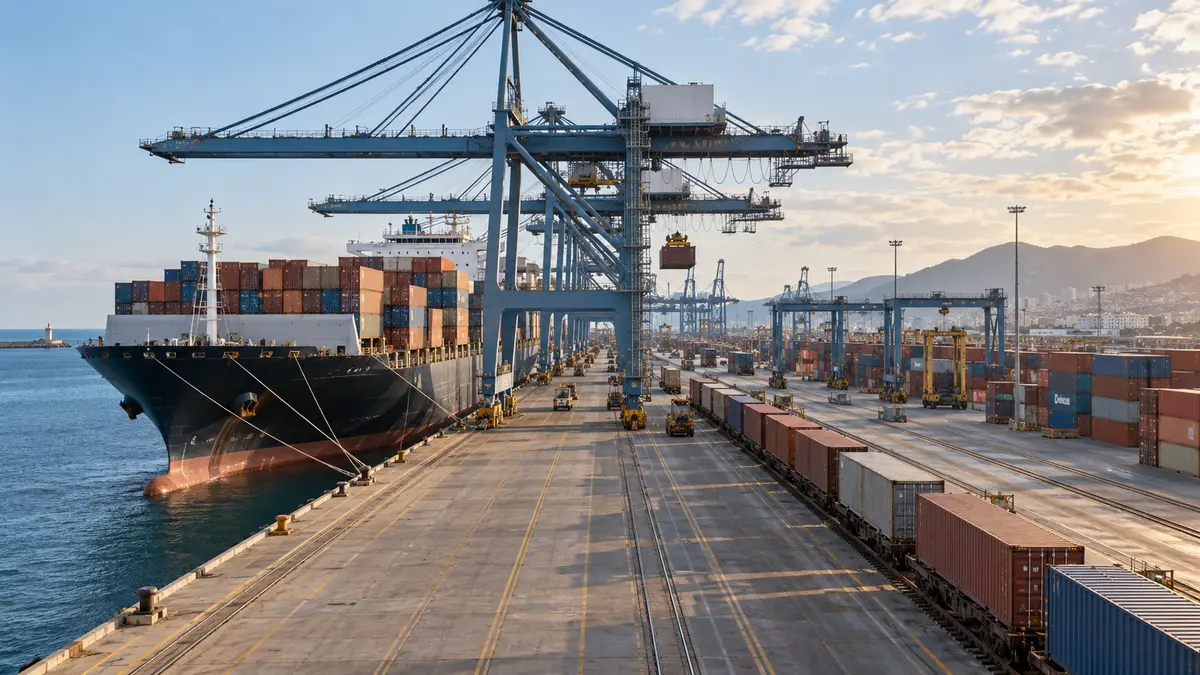 Rhenus and the Middle Corridor: terminals need coordinated connections
 Royal Mail restructuring: the test is reliable delivery
 Fuel Finder on Google Maps: when price transparency becomes useful competition
 Samsung’s memory profit surge: what the preliminary record explains
Leave a comment