
Seven New Foreign Brands Opened in Russia in Q1 2024, With Fashion Leading the Queue
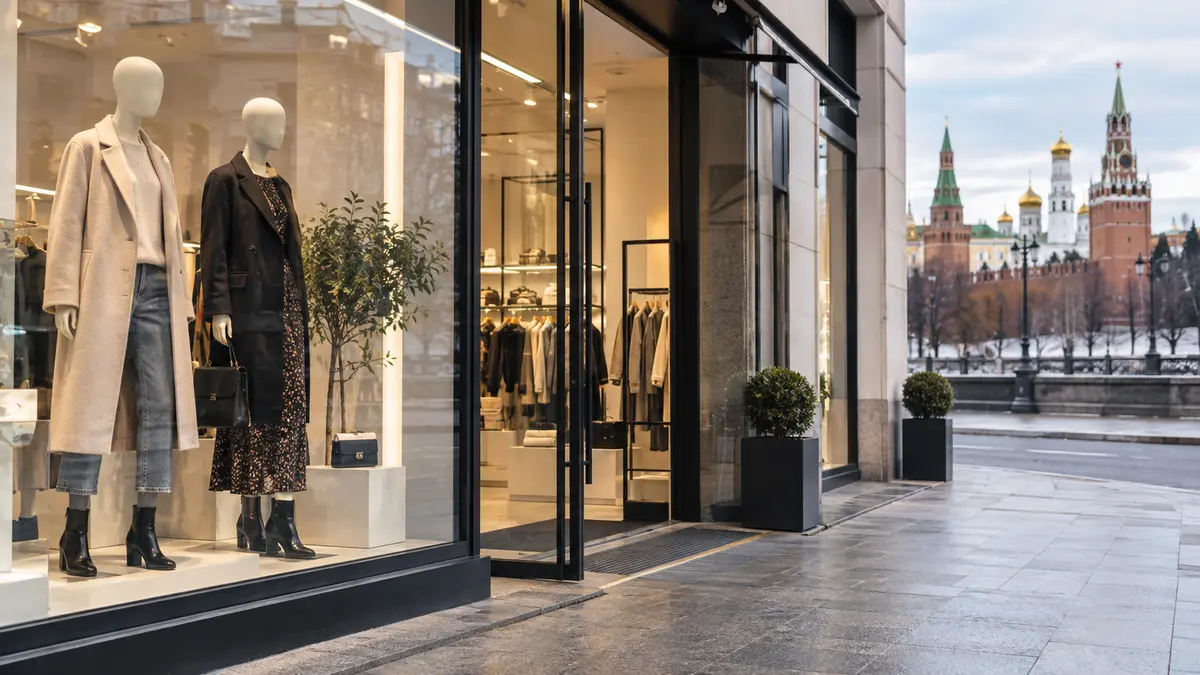
Seven new international brands opened their first stores in Russia in January-March 2024, the consulting company Nikoliers said, with clothing and footwear among the categories where the new names appeared - a quarter that also saw four established mono-brand operators leave.
The Q1 arrivals
Based on the results of the first quarter, the Russian retail market added seven new international brands, Nikoliers' press service said. New brands appeared in the clothing and footwear, household goods, household appliances and electronics, and perfumery and cosmetics categories. Six of the seven opened in Moscow: BAASPLOA and Ellassay from China, JOSINY from South Korea, Chakra from Turkey, 22/11 cosmetics from Armenia and Rinascimento from Italy. The seventh, TECNO from China, opened a store in Kaliningrad.
- BAASPLOA (China) - clothing, Moscow.
- Ellassay (China) - clothing, Moscow.
- JOSINY (South Korea) - footwear, Moscow.
- Chakra (Turkey) - Moscow.
- 22/11 cosmetics (Armenia) - Moscow.
- Rinascimento (Italy) - clothing, Moscow.
- TECNO (China) - Kaliningrad.
The composition of the list is the signal: of the seven arrivals, four sit in clothing and footwear, the category left most exposed after the 2022 exits of Western chains. The quarter's brand flow therefore reads less as a general retail recovery and more as a targeted refill of the fashion shelf.
The queue behind them
At least ten additional retailers have announced they are entering the market this year, Nikoliers said. Among them are 8 Seconds (South Korea), Home Box and Brands (both United Arab Emirates), Deha (Italy), Big Chefs (Turkey), Panier des Sens (France), Semir and Balabala (China), Laplandia (Finland) and Lifework (South Korea). They represent the clothing and footwear, household goods, restaurants, cosmetics and perfumes, products for children and grocery categories. Again, apparel and children's wear - Semir, Balabala, 8 Seconds, Lifework - form the densest cluster of the announced pipeline.
Exits in the same quarter
The entry flow ran alongside departures. At the end of the first quarter, Sony, LG, Bosch and Hunkemoller closed their mono-brand stores, Nikoliers noted. The simultaneous presence of arrivals and exits in one quarter shows a market rotating its tenant mix rather than simply expanding it: electronics mono-brands out, fashion and lifestyle names in.
The 2023 baseline

The quarterly figure sits on a recovering annual base. Last year, Nikoliers said, the Russian market welcomed 27 new foreign brands, mainly from Turkey, Lebanon and Belarus, while eight retailers ceased operations. A seven-brand quarter annualizes close to that 2023 pace, which means the entry channel that reopened after 2022 has settled into a steady, if modest, flow rather than a one-off wave.
What Nikoliers expects next
The consultancy's forward view is two-sided: Russia remains an interesting market for foreign brands, but the share of domestic brands will increase over the next few years. That combination defines the window in which the current arrivals operate - a market open enough to enter, and competitive enough that local labels keep taking shelf share.
- Whether the announced pipeline of at least ten entrants converts into openings at the Q1 rate.
- How the clothing-heavy mix performs against domestic fashion chains expanding in the same malls.
- Whether mono-brand exits continue to concentrate in electronics while fashion keeps net-positive flow.
- Whether the geographic spread widens beyond Moscow and Kaliningrad as the entrants scale.
Seven brands in a quarter is not a boom; it is a working channel. For the fashion segment specifically, Q1 2024 confirmed that Russia's emptied shelf space continues to be filled from Asia and the near abroad first, with European names returning selectively - and that the rotation of the tenant mix, not its growth, is the story of the market.
Just Published
European housing prices and rents

Schneider–PTC: the industrial data integration test behind the deal

Avio USA starts work on its Virginia manufacturing site

One equity market, two currency measures

Russia’s draft budget raises spending and borrowing plans
Russia Sets the 2027 Minimum Wage at 28,935 Rubles, Up 6.8%, on the Way to 35,000 by 2030
Partner news digest
 Qatar LNG expansion: readiness, financing and the production test
 Pennon’s capital plan: turning finance into better water outcomes
 Italy’s diesel relief gap: taxes, price ceilings and implementation
 EU–China hybrid trade: from understanding to measurable implementation
 Schneider–PTC: the industrial data integration test behind the deal
 IKEA’s hybrid resale model: buyback, marketplace liquidity and furniture logistics
 Banking AI beyond the ranking: capability, execution and evidence of value
 Fishing labour beyond the product label: practical protection
 Rhenus and the Middle Corridor: terminals need coordinated connections
 Royal Mail restructuring: the test is reliable delivery
 Fuel Finder on Google Maps: when price transparency becomes useful competition
 Samsung’s memory profit surge: what the preliminary record explains
Leave a comment