
Russian Court Seizes Raiffeisenbank Shares in 195 Billion Rouble Claim Over the Cancelled Strabag Deal
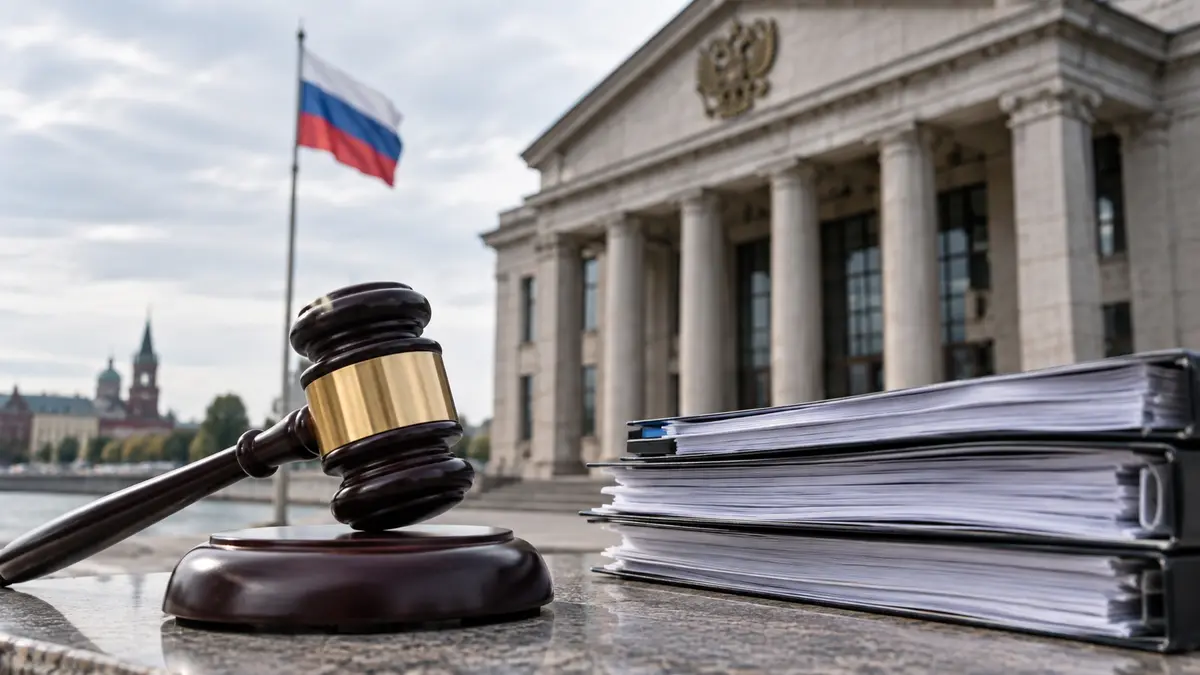
On 5 September 2024 the Arbitration Court of the Kaliningrad Region seized the share package of Raiffeisenbank - a systemically important lender, 12th by assets in Russia and the country's largest foreign bank - as security for a claim of about 195 billion rubles filed by Rasperia Trading Limited (ICJSC "Rasperia Trading Limited"). The lawsuit, lodged on 19 August, names Austrian construction company Strabag SE, Raiffeisenbank itself and eight more defendants, with the Bank of Russia involved as a third party. For the Austria-based Raiffeisen Bank International (RBI) group it is a new legal knot in an already tangled Russian exit story.
What the court did
The seizure was announced by RBI itself, the parent of the Russian bank. According to the electronic justice system, on 19 August 2024 Rasperia Trading Limited filed a claim "for recovery" and "for foreclosure" of roughly 195 billion rubles against several defendants, including Strabag SE and Raiffeisenbank. All of them had been participants in a previously announced but cancelled transaction. The plaintiff asked for the case to be heard in closed session. The timeline was tight: on 3 September the plaintiff filed the motion for interim measures, on 4 September the court adopted its ruling in a closed hearing, and on 5 September two notices of writs of execution appeared.
The origin: the Strabag deal that never closed
In December 2023 the RBI group said Raiffeisenbank would buy 28.5 million Strabag SE shares from Rasperia Trading Limited. The price for the 27.78% stake in the construction company was to be €1.51 billion - about 150 billion rubles. After the purchase, the shares were to be transferred from the Russian bank to the Austrian parent as a dividend - an elegant mechanism meant to solve two problems at once: repatriate capital from Russia through a lawful route and settle the long-running corporate conflict around Strabag.
In April 2024 RBI said it had "carefully examined" the transaction for sanctions compliance. According to Strabag, Rasperia Trading Limited had been sold to JSC Iliadis, which "requires extensive checks": the new ownership structure of Rasperia was supposed to give RBI confidence that no sanctioned persons or organizations would benefit directly or indirectly from the acquisition of Strabag shares or any related payments. In early May 2024 the parent abandoned the purchase plans "as a precaution", saying it had failed to obtain the necessary confirmation from authorities. Strabag noted that Rasperia was no longer controlled by Oleg Deripaska and that its 24.1% stake remained frozen under EU sanctions provisions. On 14 May Rasperia Trading Limited and JSC Iliadis were added to the United States sanctions list, and later to the EU's.
Why it matters for the market
- The seizure targets shares of a systemically important bank: Raiffeisenbank ranks 12th by assets and remains the largest foreign bank in Russia - this is not a peripheral asset.
- The 195 billion ruble claim exceeds the value of the cancelled deal (€1.51 billion ≈ 150 billion rubles), meaning the demand covers more than the price of the stake.
- The case is heard behind closed doors, and the Bank of Russia is involved as a third party - the regulator is directly entangled in the process.
- The story unfolds against RBI's steady shrinkage of its Russian business and its search for exit routes complicated by sanctions requirements in both jurisdictions.
The practical meaning of interim measures is that they freeze the status quo until the court decides: any corporate action involving the share package becomes subject to judicial control. For RBI, which has spent two years balancing between European regulators demanding a smaller Russian footprint and Russian restrictions on capital repatriation, the Kaliningrad claim turns the exit from Russia from a management task into a litigation.
What to watch next
Three lines define what happens next: the course of the closed Kaliningrad proceedings and the fate of the interim measures; the position of the Bank of Russia as a third party; and the effect of Rasperia's claim on RBI's plans to wind down the Russian business. The Strabag story showed that any transaction involving Raiffeisenbank now passes a double filter - sanctions compliance in Europe and litigation risk in Russia. The share seizure is the first case in which the second filter has worked in the form of interim measures against the bank itself.
Just Published
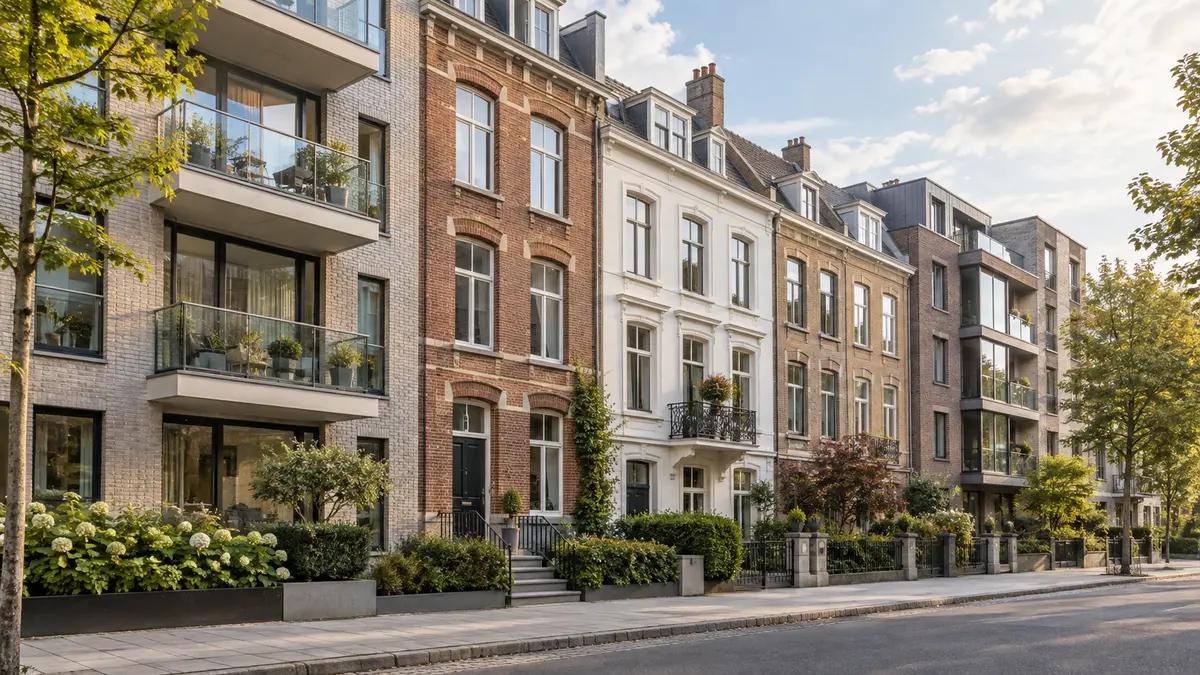
European housing prices and rents

Schneider–PTC: the industrial data integration test behind the deal
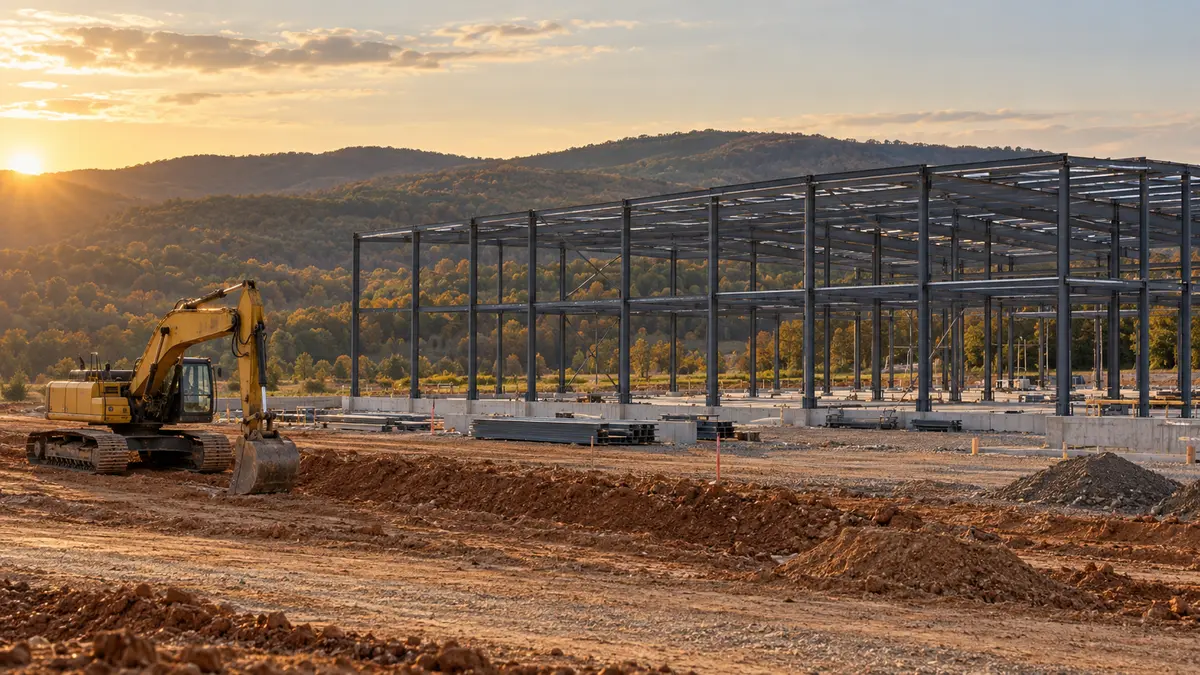
Avio USA starts work on its Virginia manufacturing site

One equity market, two currency measures

Russia’s draft budget raises spending and borrowing plans

Russia Sets the 2027 Minimum Wage at 28,935 Rubles, Up 6.8%, on the Way to 35,000 by 2030
Partner news digest
 Qatar LNG expansion: readiness, financing and the production test
 Pennon’s capital plan: turning finance into better water outcomes
 Italy’s diesel relief gap: taxes, price ceilings and implementation
 EU–China hybrid trade: from understanding to measurable implementation
 Schneider–PTC: the industrial data integration test behind the deal
 IKEA’s hybrid resale model: buyback, marketplace liquidity and furniture logistics
 Banking AI beyond the ranking: capability, execution and evidence of value
 Fishing labour beyond the product label: practical protection
 Rhenus and the Middle Corridor: terminals need coordinated connections
 Royal Mail restructuring: the test is reliable delivery
 Fuel Finder on Google Maps: when price transparency becomes useful competition
 Samsung’s memory profit surge: what the preliminary record explains
Leave a comment