
Korea Aerospace Industries Signs US$700 Million Contract to Supply 12 FA-50 Light Attack Aircraft to the Philippines
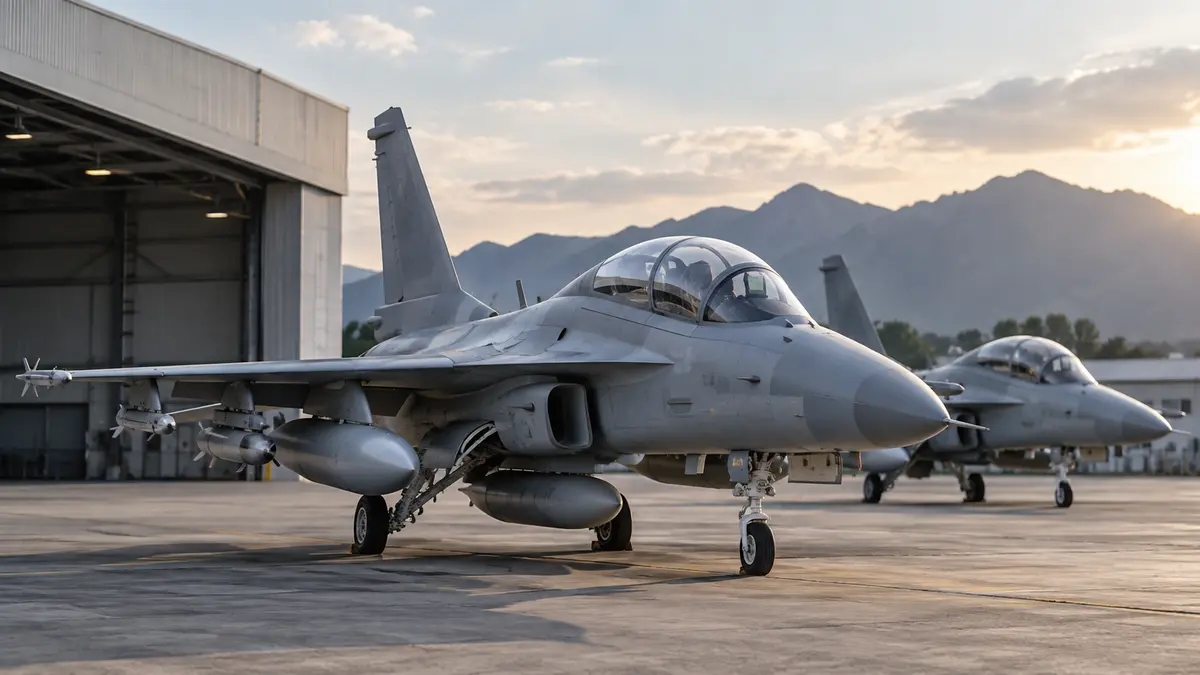
Summary: Korea Aerospace Industries Ltd. (KAI) has signed a US$700 million contract with the Philippine defense ministry to export 12 FA-50 light attack fighters by 2030, the state arms procurement agency of South Korea confirmed. The deal is the second round of FA-50 exports to Manila and extends a decade-long defense trade relationship worth around US$3 billion.
The contract
The US$700 million deal was signed on Tuesday, June 3, 2025, and announced by the Defense Acquisition Program Administration (DAPA) on Wednesday. It provides for the delivery of 12 additional FA-50 light attack fighters to the Philippines by 2030. The contract marks the second round of FA-50 exports to Manila, following an initial deal signed in 2014 to supply 12 jets.
How the deal was prepared
South Korea and Manila have been in talks over the FA-50 package for months. DAPA Minister Seok Jong-gun (Seok Jong-gun) and Philippine Defense Secretary Gilberto Teodoro (Gilberto Teodoro) discussed arms industry cooperation during their meeting in Manila in March 2025, setting the ground for the June signing.
A decade of defense trade
The Philippines has introduced various South Korean-made weapons systems over the past decade, including FA-50 light attack aircraft, frigates and corvettes worth around US$3 billion, emerging as Seoul's biggest arms trade partner in Southeast Asia. DAPA said the new contract is expected to contribute to expanding bilateral military exchanges and to stabilizing security in Southeast Asia.
FA-50 export footprint
- The FA-50 has been exported to six countries, including Indonesia, Iraq, Malaysia, Poland and Thailand.
- Prior to the Philippine deal, South Korea last inked a contract to supply 18 jets to Malaysia in 2023.
- The 2014 Philippine contract supplied the first 12 FA-50 aircraft of the current fleet.
What the contract changes for both sides
For KAI, the June 2025 contract converts a decade-long customer relationship into a production pipeline that runs to 2030: the 12 additional aircraft double the Philippine FA-50 fleet acquired under the 2014 contract, and schedule the company's export slots alongside commitments to the other five operator countries. For Manila, the package closes a capability gap with a platform already supported locally through a decade of operation, training and logistics built around the first 12 jets. DAPA's framing ties the commercial contract to a wider objective: expanding bilateral military exchanges and stabilizing security in Southeast Asia, a region where the Philippines has become Seoul's biggest arms trade partner.
Company information
Korea Aerospace Industries Ltd. (KAI) is a South Korean defense and aerospace manufacturer headquartered in Sacheon, South Korea, and the developer of the FA-50 light attack aircraft family. Corporate website: https://www.koreaaero.com.
Contact
Korea Aerospace Industries Ltd. (KAI), Sacheon, South Korea. Media and investor relations enquiries are handled through the corporate website https://www.koreaaero.com.
Just Published

European housing prices and rents

Schneider–PTC: the industrial data integration test behind the deal
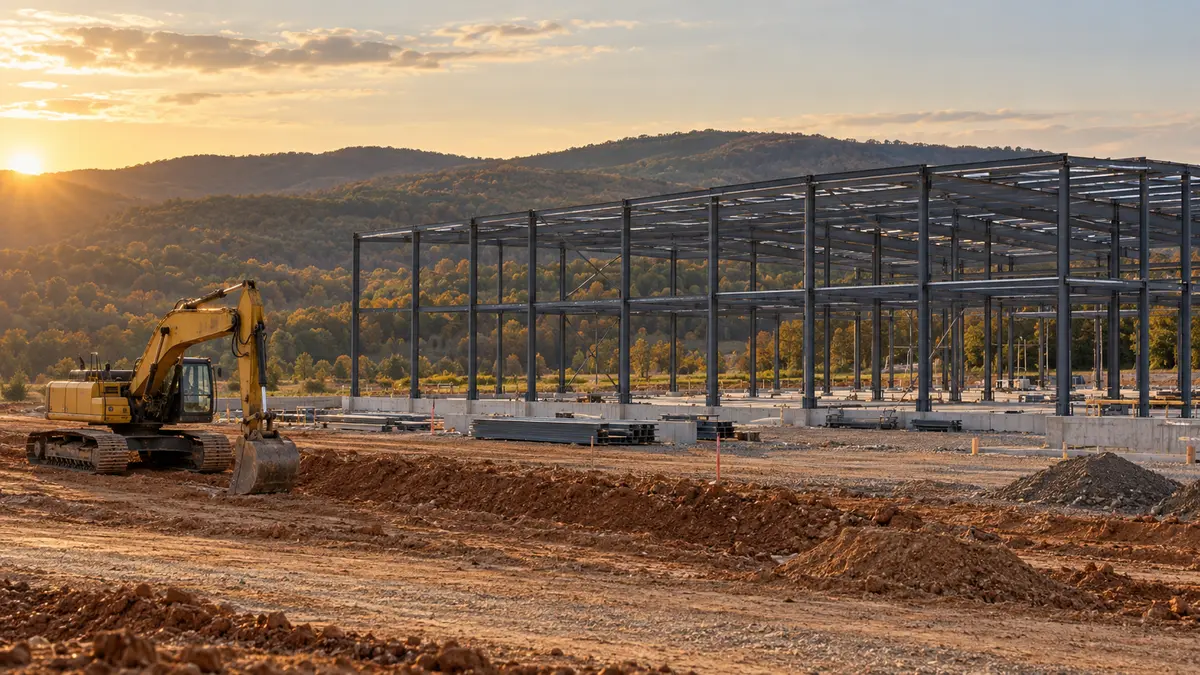
Avio USA starts work on its Virginia manufacturing site

One equity market, two currency measures

Russia’s draft budget raises spending and borrowing plans

Russia Sets the 2027 Minimum Wage at 28,935 Rubles, Up 6.8%, on the Way to 35,000 by 2030
Partner news digest
 Qatar LNG expansion: readiness, financing and the production test
 Pennon’s capital plan: turning finance into better water outcomes
 Italy’s diesel relief gap: taxes, price ceilings and implementation
 EU–China hybrid trade: from understanding to measurable implementation
 Schneider–PTC: the industrial data integration test behind the deal
 IKEA’s hybrid resale model: buyback, marketplace liquidity and furniture logistics
 Banking AI beyond the ranking: capability, execution and evidence of value
 Fishing labour beyond the product label: practical protection
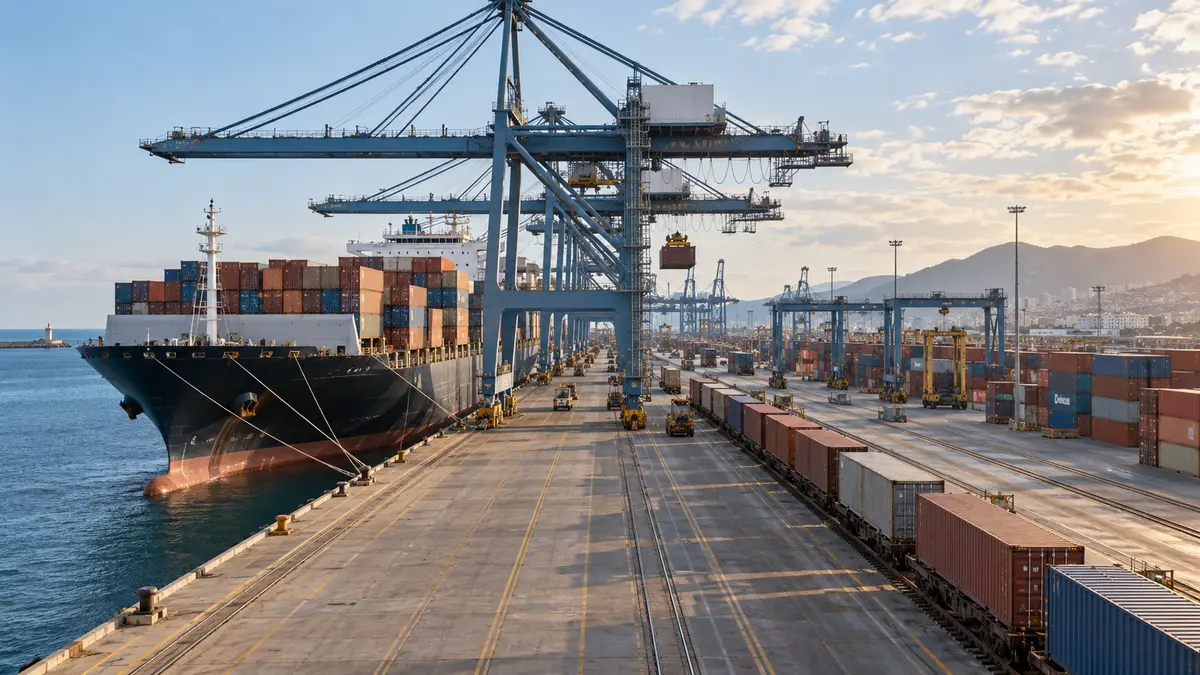 Rhenus and the Middle Corridor: terminals need coordinated connections
 Royal Mail restructuring: the test is reliable delivery
 Fuel Finder on Google Maps: when price transparency becomes useful competition
 Samsung’s memory profit surge: what the preliminary record explains
Leave a comment